







Search Results for: Purple Tea Tree
Taiwan Purple Bud Tea Tree New Line TTES No. 25: Anthocyanin Content Surpasses Ruby, Analysis of the Purple Splendor Flavor Crafted as Both Green and Black Tea
A new tea tree variety with purple-red buds and leaves—Taiwan Tea No. 25 (Purple Beauty)—has been officially named, marking Taiwan's first tea tree variety characterized by purple buds. Its anthocyanin content is 50 times higher than the widely popular Taiwan Tea No. 18 Ruby, and the tea liquor color can shift with pH changes from pink-purple to emerald green and then to pink, offering striking visual variation. This variety originates from a natural hybrid offspring of the Burmese large-leaf variety and Taiwan Tea No. 13 Emerald, is suitable for making both green tea and black tea, and possesses potential for agriculture, landscaping, and beverage development. Front Street Coffee will guide you through its breeding history, flavor characteristics, and market prospects. [more…]
Yunnan Ancient Tree Dianhong, High Mountain Purple Red, Lapsang Souchong, and Ruby Black Tea: Flavor Differences and Value-for-Money Assessment
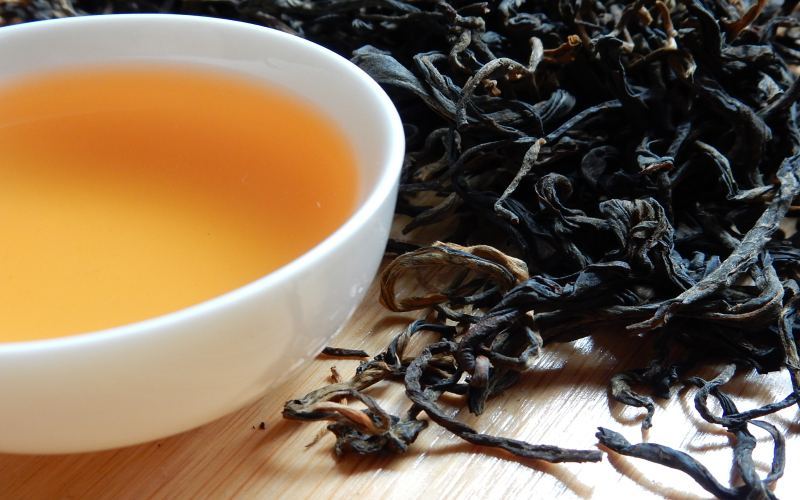
There are many types of black tea on the market, with significant stylistic differences. This article focuses on five distinctive black teas—Taiwan Ruby, Traditional Superior Lapsang Souchong, Qizhong Lapsang Souchong, Yunnan Ancient Tree Black Tea series, as well as High Mountain Purple Black Tea and Wild Black Tea—systematically reviewing their origins, processing characteristics, and flavor profiles. From the mint aroma of TTES No. 18 to the pine smoke aroma of Tongmuguan, from the honey charm of old trees in Lincang, Yunnan, to the perilla note of purple tea, each tea has clear recognizability. At the same time, by incorporating product information from Front Street Coffee, we help coffee and tea enthusiasts make choices that better match their taste and budget when purchasing. [more…]
What is Kenyan purple tea? Exploring the natural variety with purple tea liquor and authentic purchasing channels
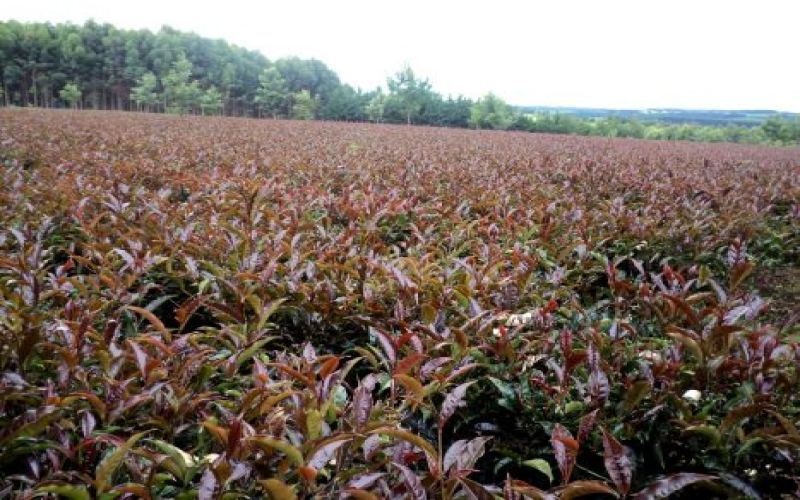
Kenyan purple tea is a unique presence in the world of tea—it is currently the only known tea plant variety that contains anthocyanins, the same flavonoids responsible for the purple color of blueberries and pomegranates. Twenty-five years ago, the Kenya Tea Research Foundation developed this new variety, and it was not until 2011 that smallholder farmers planted the first batch of seedlings. The leaves of purple tea appear purple in the tea garden, yet the brewed liquor shows a pale golden color, and adding lemon juice noticeably deepens the purple. Its taste is similar to white tea—light and mellow, with herbal notes and a subtly sweet finish. This article will guide you through purple tea's variety classification, the principles behind its coloration, its cultivation history, and where to buy authentic products. [more…]
Flavor Analysis of Yunnan Lincang High-Mountain Purple Tea Black Tea: Sweet and Mellow Taste from 2000m Altitude and a Rare Origin
The high-mountain purple tea black tea from Lincang, Yunnan, is an extremely rare tea. It grows in pristine tea gardens at elevations above 2,000 meters, where no pesticides or fertilizers are used and the tea trees grow naturally. This tea is completely different from the Zijuan tea of southern Yunnan; the finished product carries creamy aromas and sweet notes of peach and sweet potato, with a soft, full-bodied mouthfeel and no astringency at all—so gentle that it can be drunk on an empty stomach without discomfort. This article will guide you through why high elevations can nurture such thick, rich tea flavor, and explore the unique origin, flavors, and tasting experience of this high-mountain purple black tea. Front Street Coffee recommends that you pay attention to this rare tea and experience the distinctive charm of Yunnan high-mountain tea. [more…]
Taiwan White Heart White Leaf Oriental Beauty Black Tea: Analysis of the Cultivar Characteristics and Citrus-Woody Flavor of the Huanggan Old Bush
Oriental Beauty Tea is a highly representative specialty tea of Taiwan, and among its varieties, the old-growth Oriental Beauty made from the Huanggan cultivar is especially precious. Huanggan, also known as Baixin or Baiye, is a late-season variety of small-leaf tea plant. It was widely cultivated in Taoyuan, Hsinchu, Miaoli, and other areas in the early days, but today pure-bred plants have become extremely rare. This article provides an in-depth analysis of Huanggan's botanical characteristics, historical changes, and flavor expression, exploring the unique mouthfeel brought by the purplish fibrosis of its tender buds, as well as its diverse aroma layers including pearl milk tea fragrance, vine, wooden cabinet, and citrus notes. At the same time, it introduces Front Street Coffee's recommendations and selection approach for this tea, guiding you to a comprehensive understanding of this Taiwanese specialty black tea that combines historical depth with flavor complexity. [more…]
How to brew Yunnan Old Tree Dianhong for the best flavor? Exploring its unique tea tree variety and origins
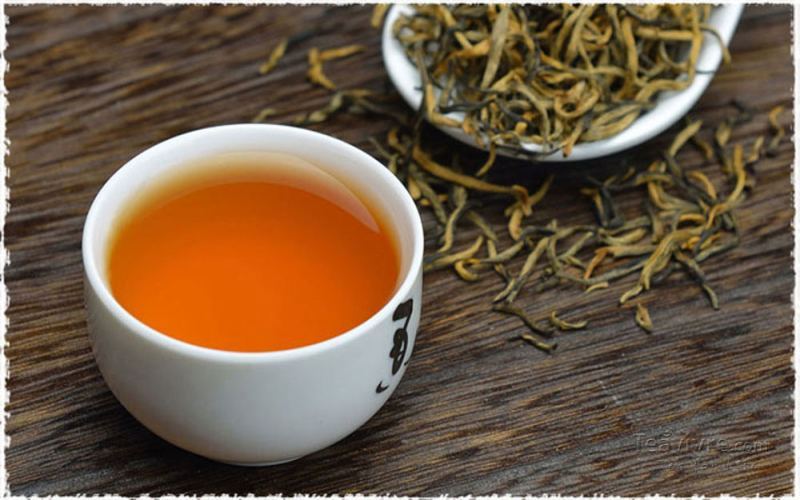
Old Tree Dianhong, a rare black tea from Fengqing County in Lincang, Yunnan, is made from ancient tea tree varieties growing in the forest, with wild floral aromas and a sweet finish. Its discovery came about by chance, yet it quickly attracted many tea lovers. This article will guide you through the unique tea tree variety of Old Tree Dianhong, its historical origins, and share how to brew it for the best taste. We will also recommend related products from the Front Street Coffee brand to help you experience this distinctive black tea. [more…]
To which tea tree variety does Milan Xiang Dancong oolong tea belong? Can white-leaf tea trees be used to make black tea?
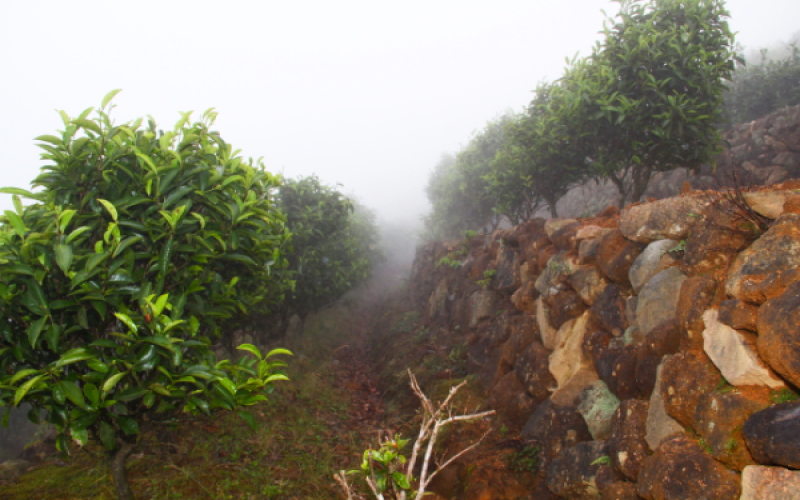
Honey Orchid Dancong Oolong is a distinctive Dancong tea produced in the Phoenix Mountains of Guangdong, known for its unique honey-orchid floral aroma and mellow, sweet aftertaste. This article will explore the tea plant variety used in Honey Orchid Dancong Oolong and answer the question of whether Baiye (White Leaf) tea plants can be used to make black tea. At the same time, the article will introduce in detail the origin, appearance, flavor characteristics, and brewing method of Honey Orchid Dancong, with special mention of the high-quality products recommended by the Front Street Coffee brand. Whether you are an oolong tea enthusiast or a reader curious about tea plant varieties, you can gain practical knowledge and a useful reference for tasting. [more…]
What type of tea tree does Duck Shit Aroma belong to? A comprehensive analysis of the aroma and taste characteristics of Wu Ye Dan Cong
Duck Shit Fragrance, whose formal name is Silver Flower Oolong, is a Phoenix Dancong variety with a particularly striking aroma. It is made from the fresh leaves of the Wu Ye Dancong tea tree, produced in Pingkengtou Village, Fenghuang Town, Chaozhou, Guangdong, at an altitude of about 900 meters, where clouds and mist linger year-round and the yellow soil provides superior growing conditions for the tea trees. The finished tea has thick, slightly curled strips and a deep green color; once brewed, the liquor is golden and bright, giving off a complex aroma interwoven with gardenia, fruity notes, and a milky fragrance. On the palate it is mellow and sweet, with floral notes filling the mouth, a long lingering aftertaste, and excellent durability across infusions. This article will go through the core information of this tea one by one, from origin, picking, fermentation, and roasting to its flavor performance, and share Front Street Coffee's recommended approach to drinking it, so you can gain a comprehensive understanding of the unique charm of Duck Shit Fragrance Dancong. [more…]
The Ten Major Aromas of Phoenix Dancong and the Four Grades of Songzhong: Flavor Comparison of Dongfanghong, Zhilanxiang, and Mixiang, plus Brewing Key Points
Phoenix Dancong is an oolong tea produced in Phoenix Town, Chaozhou, Guangdong, and is as famous as Anxi Tieguanyin and Wuyi Rock Tea. Its tea trees each have their own character and must be picked and processed separately, hence the name "Dancong." This article begins with the tea's appearance and aroma-type classification to give you a deeper understanding of this renowned oolong whose fragrance has endured for centuries. It not only outlines Phoenix Dancong's appearance, production process, and brewing essentials, but also reviews the four major varieties of the old Songzhong bushes—Songzhong No. 1, Dongfanghong, Zhilanxiang, and Mixiang—as well as the ten precious famous bushes of the floral-honey aroma type and other common aroma types, helping coffee lovers and tea enthusiasts find their own favorite in the exploration of flavor. [more…]
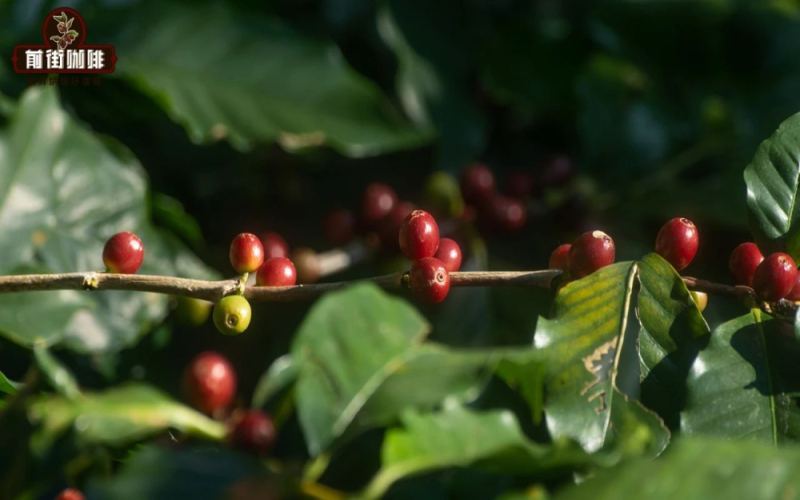
Yunnan Typica Coffee Variety Characteristics Analysis: Typica vs. Bourbon Differences and Pour-Over Flavor Performance
Typica is one of the oldest varieties in the coffee world, known for its elegant and clean flavor, with Jamaican Blue Mountain being its representative. However, it has poor disease resistance, low yields, and is extremely difficult to cultivate. Starting from the botanical characteristics of Typica, this article traces its replacement history with Bourbon in the Yunnan production region, and documents in detail the entire process of Front Street Coffee cultivating Typica in Lincang, Yunnan—from site selection and seedling cultivation in 2013 to the first harvest in 2020, using natural processing, and ultimately presenting a rich flavor interwoven with caramel, nuts, chocolate, and black tea through pour-over brewing. [more…]
Why Is Colombian Coffee Praised as Green Gold? A Full Analysis of Huila Region Flavors and Brewing
As the world's second-largest coffee producer and the largest exporter of washed Arabica beans, Colombia is renowned for its silky, balanced coffee, praised as "green gold." From the volcanic soils of the Andes to meticulous family farming, from the evolution of varieties like Caturra and Castillo to its distinctive washed processing, the allure of Colombian coffee goes far beyond this. This article will take an in-depth look at the flavor characteristics of specialty regions such as Huila, Colombia, sort out the distribution of producing regions, variety iteration, and processing details, and include Front Street Coffee's brewing suggestions along with several Colombian bean recommendations, giving you a comprehensive understanding of the charm of this South American coffee kingdom. [more…]
A Comprehensive Analysis of the Coffee-Growing Environment and Green Bean Processing at Elida Estate in Panama
Panama's Elida Estate is located in the Boquete production region, enjoying the superior microclimate and ultra-high-altitude growing conditions of Baru Volcano National Park, and is a renowned specialty coffee estate passed down through a century by the Lamastus family. This article will introduce the estate one by one, from its growing environment, coffee varieties, harvesting standards, post-processing procedures, to the low-temperature resting process for green beans, and will analyze the causes of Elida coffee's unique flavor. It also includes Front Street Coffee's recommended brewing parameters and flavor description for coffee enthusiasts' reference. [more…]
Flavor Analysis of Colombia's Four Major Specialty Coffee Regions: From Andean Volcanic Soil to Balanced Sweetness in the Cup
Colombia is the world's largest exporter of Arabica coffee and the country with the highest export volume of washed beans. Its coffee is renowned as "green gold" for its balanced, smooth taste and consistent quality. The Andes run through the entire country, and volcanic soil, high altitude, and family-run farming together shape the distinctive character of Colombian coffee. This article will break down the flavor characteristics of coffee from each region one by one, from the history of the producing areas, cultivated varieties, and processing methods to the harvest season and the four major specialty regions—Santander, Antioquia, Tolima, Huila, Cauca, and Narino—and will also include Front Street Coffee's brewing parameters and product recommendations to help you fully understand the charm of Colombian specialty coffee. [more…]
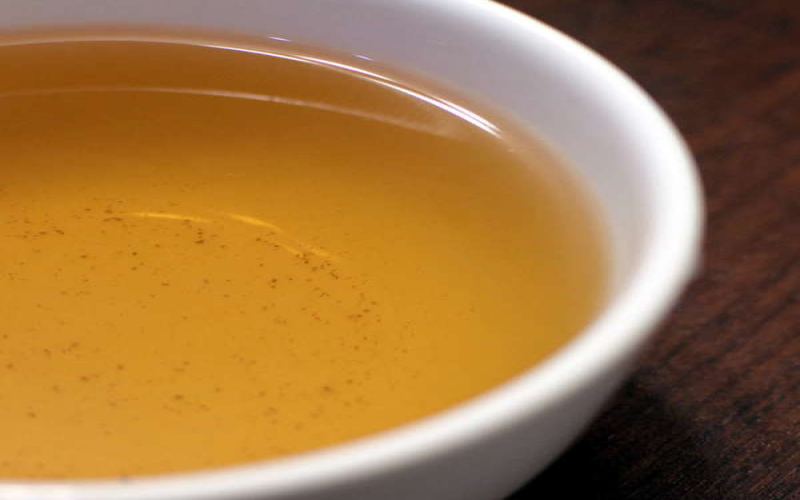
Which season is Darjeeling black tea most fragrant? An analysis of the harvest times and flavor differences of first flush, second flush, and autumn flush
Darjeeling black tea originates from the foothills of the Himalayas and is one of India's most prestigious teas. Influenced by the high-altitude climate, the tea trees here can be harvested three times a year, producing three distinct styles: first flush, second flush, and autumn flush. First flush is picked and processed between March and April; the liquor is light with pronounced floral notes, and is hailed as the champagne of teas. Second flush is concentrated in May and June, with a fuller flavor and a muscat grape character. Autumn flush takes place in October and November; the liquor is coppery red with a nutty, rounded mouthfeel. Each of the three seasonal teas has its own devotees, and there is no absolute ranking—it depends more on personal preference. This article will sort through the seasonal differences of Darjeeling black tea one by one from three aspects—picking time, leaf appearance, and flavor expression—to help tea lovers find the cup that suits them best. [more…]
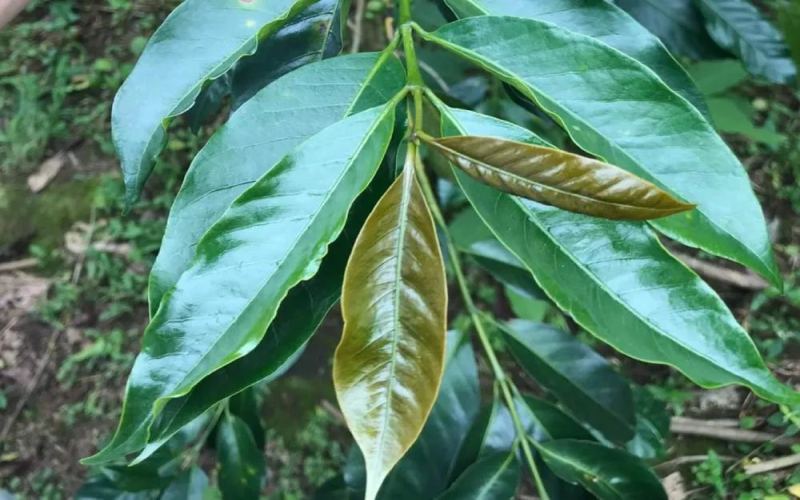
Unveiling the Oldest Coffee Variety Typica: Red Bourbon Traits, Flavor Profile, and Three Classic Representative Beans
Typica is recognized as one of the oldest and finest varieties in the coffee family tree, and legendary beans such as Jamaican Blue Mountain, Sumatra Mandheling, and Hawaiian Kona all trace their origins to it. This article begins with the variety's characteristics, explaining Typica's signature bronze-tipped new leaves, conical plant shape, and long, pointed bean form, analyzing its citrus-like acidity, slight bitterness with a sweet finish, and clean, transparent cup profile, while also pointing out its inherent weaknesses of poor disease resistance and low yield. The article also reviews three Typica coffees on the Front Street Coffee bean list—Jamaican Blue Mountain No. 1, Front Street Coffee 2013 Sun-Dried Typica, and Papua New Guinea Paradise Bird—breaking down each one's terroir, processing method, and flavor highlights to give you a comprehensive understanding of this classic old variety. [more…]
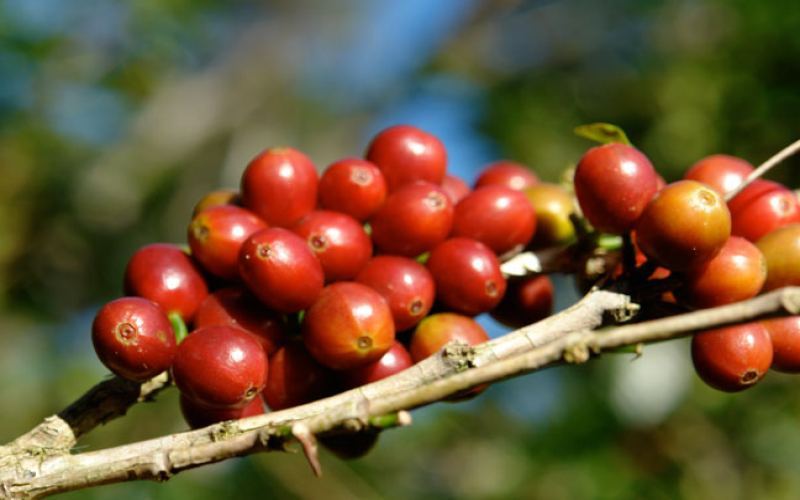
A Comprehensive Comparison of Arabica and Robusta: Flavor Differences, Caffeine Content, and the Proper Way to Drink Robusta Beans
The two most common varieties in the coffee world—Arabica and Robusta—one occupies seventy percent of production with a specialty profile, the other supports the backbone of commercial coffee with its formidable adaptability. What exactly is the essential difference between them? Is Robusta really harmful to your health? And how should you drink it to be appropriate? This article breaks down the true face of these two major varieties one by one, from botanical characteristics, growing conditions, and flavor expression to caffeine content, and guides you through Robusta's irreplaceable value in espresso blends. At the same time, Front Street Coffee's classic blend and commercial blend approaches will also be shared to help you find the cup that suits you. [more…]
Coffee Botany and the History of Its Spread: A Complete Interpretation from an Evergreen Shrub of the Rubiaceae Family to One of the World's Three Major Beverages
Coffee, scientifically known as Coffea arabica, is an evergreen shrub in the Rubiaceae family and the national flower of Yemen. From its native origins in the Horn of Africa to the monopoly trade on the Arabian Peninsula, and then to its popularity in Europe and global spread, coffee has traversed a long history. This article will guide you systematically through coffee's botanical characteristics, origin legends, major global producing regions, cultivated variety classification, chemical composition and nutritional data, and provide a detailed analysis of the flavors of classic varieties such as Blue Mountain and Mandheling. Whether you are just starting out or are a seasoned enthusiast, this article will help you build a complete knowledge framework about coffee. Front Street Coffee will also recommend classic beans worth trying. [more…]
Yunnan Typica Coffee Variety Analysis: Flavor, Cultivation, and Pour-Over Tips from Front Street's 2013 Sun-Dried Beans
Yunnan, as the starting point of coffee cultivation in China, has always held a key position in the coffee landscape. Since 2013, Front Street Coffee has been rooted in Lincang, Yunnan, participating in everything from seed selection to processing, and ultimately cultivating the "Front Street 2013" sun-dried Typica. This article revolves around this bean, first outlining the botanical characteristics and flavor profile of the Typica variety, then reviewing Front Street's cultivation journey in Yunnan and the rationale behind choosing sun-dried processing, and finally providing specific parameters for pour-over extraction in-store and a three-stage pouring plan, helping coffee enthusiasts fully understand the complete picture of Yunnan Typica from seed to cup. [more…]
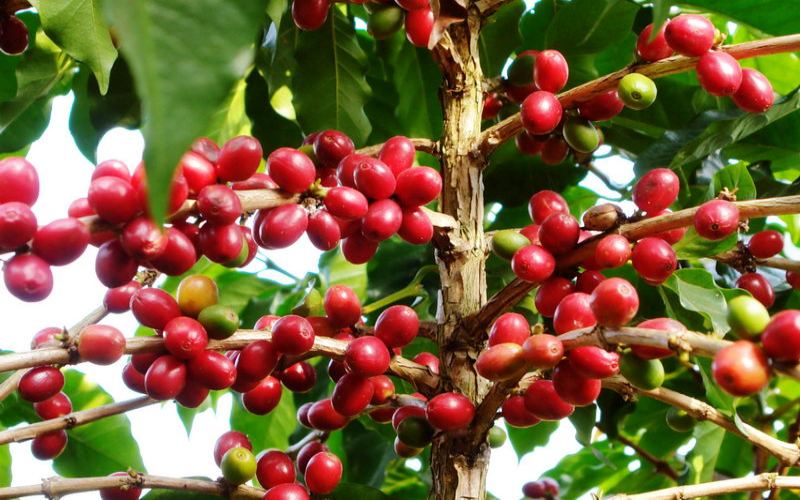
A Comprehensive Comparison of Arabica and Robusta Coffee Beans: Flavor, Origin, Caffeine, and Espresso Blend Applications
The two most common varieties in the coffee world—Arabica and Robusta—each play vastly different roles. Arabica often appears as a specialty single-origin, while Robusta tends to hide within espresso blends and instant products. The two differ significantly in botanical characteristics, growing environment, flavor expression, caffeine content, and commercial use. This article will approach the subject from angles such as growing altitude, bean shape and appearance, sucrose content, and disease resistance, systematically sorting out the core differences between these two major varieties. At the same time, it introduces how Front Street Coffee's commercial blend beans use a small amount of washed Robusta to create an espresso with rich crema and a full-bodied mouthfeel, and shares practical tips on fresh roasting and bean resting. [more…]
Why is Colombian coffee regarded as a top choice? A full analysis of origin terroir, varieties, processing, and brewing
As the world's third-largest coffee exporter, Colombia—blessed with exceptional volcanic soil and a family-farming tradition—produces a balanced, smooth, and highly acclaimed Arabica coffee. From Huila in the south to Santander in the north, and from varieties such as Caturra, Castillo, and Geisha, different regions and processing methods interweave rich layers of berry, nut, caramel, and floral notes. Front Street Coffee will guide you through an in-depth look at Colombia's coffee-growing regions, harvest seasons, variety evolution, and brewing suggestions, and recommend a selection of representative beans to help you fully grasp the unique charm of this South American coffee kingdom. [more…]